FIRST TIME BUYER ? - Use Code FIRSTTIME to enjoy 5% additional discount on entire store

Pigmentation vs Tanning: What’s the Difference & How to Treat Both
Confused between Pigmentation vs Tanning ? Learn the difference and discover how to treat both effectively with sunscreen for tanning prevention and targeted serums for fading stubborn pigmentation and dark spots.
12/13/20252 min read
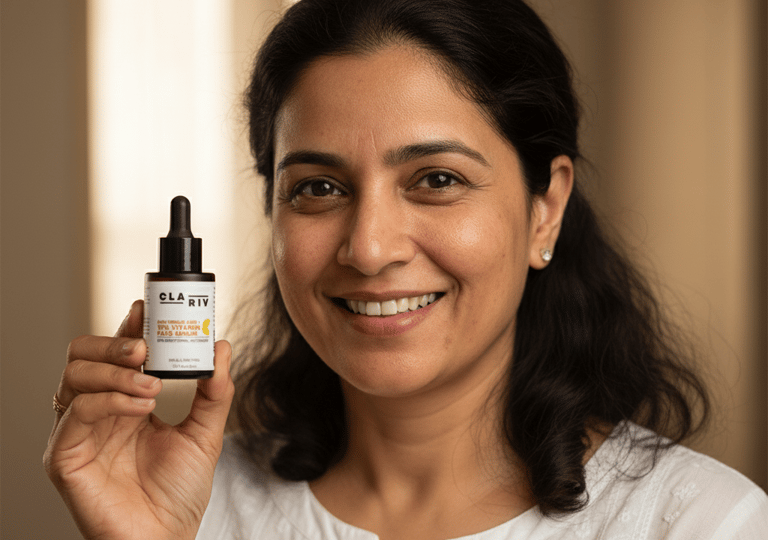
Pigmentation vs Tanning: What’s the Difference & How to Treat Both
People often assume pigmentation and tanning are the same — but they are not.
Both cause skin darkening, but for different reasons, affect the skin in different ways, and require different treatments.
Understanding this difference is the first step toward choosing the right skincare routine.
Let’s break it down simply.
⭐ What Is Tanning?
Tanning is your skin’s temporary defense mechanism against sunlight — mainly UVA rays.
✔ Causes of tanning:
Sun exposure (even in winter or cloudy weather)
Outdoor activities
Driving in sunlight
Not using sunscreen
Pollution + sun combination
✔ How tanning looks:
Skin becomes darker than usual
Tone becomes uneven
Upper arms, face, and hands tan quickly
Often reversible
✔ Treatment approach:
Tanning must be prevented more than treated.
This is where a daily broad-spectrum sunscreen becomes essential.
Using sunscreen consistently stops UVA rays from triggering melanin production, preventing both tanning and long-term darkening.
⭐ What Is Pigmentation?
Pigmentation (or hyperpigmentation) is deeper, stubborn, and long-lasting compared to tanning.
✔ Causes of pigmentation:
Hormonal changes
Acne marks
Melasma
Sun-induced hyperpigmentation
Inflammation
Genetics
✔ How pigmentation looks:
Brown or grey patches
Dark spots that don’t fade quickly
Uneven tone that stays for months
Marks left behind after pimples
✔ Treatment approach:
Pigmentation needs targeted ingredients like:
Kojic Acid
Alpha Arbutin
Tranexamic Acid
Niacinamide
These ingredients reduce melanin production and fade stubborn dark spots over time.
⭐ Key Difference Between Tanning & Pigmentation
🔸 Tanning
Caused mainly by UVA sun exposure
Results in overall skin darkening
Usually temporary and fades over time
Appears after outdoor activities or sun exposure
Best prevented with daily sunscreen
Does not usually form patches or spots
🔸 Pigmentation
Caused by hormones, acne marks, UV damage, or inflammation
Shows as dark spots, patches, or uneven tone
More stubborn and long-lasting
Often linked to melasma, acne scars, or sun damage
Requires targeted treatment with actives (Kojic Acid, Alpha Arbutin, Tranexamic Acid, Niacinamide)
Needs both treatment + sunscreen for best results
In short:
👉 Tanning is caused by daily sun exposure
👉 Pigmentation is deeper skin discoloration that requires treatment
⭐ How to Treat Tanning the Right Way
To prevent tanning, the #1 step is:
Use sunscreen EVERY DAY — even indoors or in winter.
Most people underestimate UVA rays.
They penetrate glass, clouds, and even winter fog.
A lightweight, daily-use sunscreen helps:
Stop tanning
Prevent new darkening
Keep skin tone even
Protect against long-term pigmentation
A mineral sunscreen is especially helpful for Indian skin because it reflects UV rays and is gentle on sensitive skin.
⭐ How to Treat Pigmentation the Right Way
Pigmentation needs consistent treatment, not just prevention.
Dermatologists recommend using actives like:
Kojic Acid (targets melanin production)
Alpha Arbutin (brightens uneven tone)
Tranexamic Acid (reduces stubborn pigmentation & melasma)
Niacinamide (strengthens skin & reduces marks)
These ingredients work together to fade:
Acne marks
Dark spots
Brown patches
Uneven tone
A serum containing these ingredients, when used daily, gradually reduces hyperpigmentation and restores clarity.
⭐ Best Routine to Treat Both Tanning & Pigmentation
Morning
Cleanser
Hydrating toner (optional)
Brightening / Anti-pigmentation serum (for spots)
Moisturizer
Sunscreen (for tanning prevention)
Night
Cleanser
Moisturizer
This combined approach helps:
Prevent NEW tanning
Fade EXISTING pigmentation
Keep the skin bright and even-toned
⭐ Where CLARIV Products Fit In
🌞 For Tanning — Use a Daily Sunscreen
Daily sunscreen forms the foundation of any anti-tanning routine. A lightweight, comfortable sunscreen makes it easy to apply every morning and prevents UV-induced darkening.
🌙 For Pigmentation — Use a Targeted Serum
To lighten pigmentation, you need a serum powered by Kojic Acid, Alpha Arbutin, Tranexamic Acid, and Niacinamide — all proven ingredients for fading dark spots.
⭐ Final Verdict: Treat Them Differently for Clear Skin
Tanning = sunscreen issue
Pigmentation = melanin overproduction issue
So the correct approach is:
👉 Prevent tanning with daily sunscreen
👉 Treat pigmentation with a targeted brightening serum
👉 Use both consistently for best results
With the right routine, you can keep your skin bright, even-toned, and glowing all year round.
info@clariv.in
+91-92204-02087