FIRST TIME BUYER ? - Use Code FIRSTTIME to enjoy 5% additional discount on entire store

How Long Does It Take to Fade Pigmentation? Realistic Timelines
Wondering how long it takes to fade pigmentation? Learn realistic timelines, what affects results, and how Vitamin C & anti-pigmentation serums help reduce dark spots safely.
1/24/20262 min read
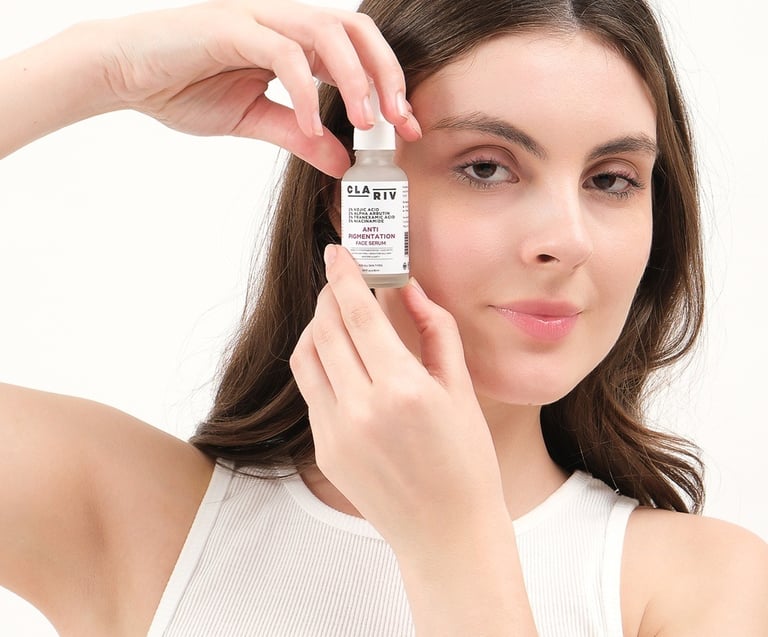
Pigmentation is one of the most common skin concerns — and also one of the most misunderstood. Many people expect dark spots or uneven skin tone to disappear within a week or two, but in reality, pigmentation takes time, consistency, and the right ingredients to fade.
So, how long does it actually take to fade pigmentation? Let’s break it down honestly.
What Exactly Is Pigmentation?
Pigmentation occurs when your skin produces excess melanin due to:
Sun exposure
Acne marks
Hormonal changes
Aging
Skin inflammation
The deeper the pigment sits in the skin, the longer it takes to fade.
Realistic Timelines to Fade Pigmentation
1–2 Weeks: Early Skin Improvements
At this stage, you may notice:
Better hydration
Slight improvement in skin brightness
Smoother texture
This is usually when Vitamin C serum starts showing its antioxidant and brightening effects, helping skin look fresher — though dark spots may still look the same.
3–4 Weeks: Visible Brightening Begins
With consistent use of targeted actives:
Dullness starts reducing
Pigmented areas appear slightly lighter
Skin tone begins to look more even
Ingredients like Vitamin C, Niacinamide, and Alpha Arbutin work on surface-level pigmentation during this phase.
6–8 Weeks: Noticeable Reduction in Dark Spots
This is when most people see real results:
Dark spots start fading visibly
Acne marks soften
Uneven skin tone improves
Serums formulated with Kojic Acid, Tranexamic Acid, and Alpha Arbutin help break down stubborn pigmentation while calming the skin.
3 Months & Beyond: Long-Term Correction
For deeper pigmentation:
Spots continue to lighten
Skin clarity improves significantly
New pigmentation is prevented
Consistency, sun protection, and a balanced routine play a major role here.
Why Results Take Time
Pigmentation doesn’t fade overnight because:
Melanin is produced deep in the skin
Skin renewal cycle takes around 28 days
Aggressive treatments can worsen pigmentation
That’s why gentle, well-formulated serums used consistently are more effective than harsh quick fixes.
How to Speed Up Pigmentation Fading (Safely)
✔ Use a Vitamin C serum in the morning to protect skin from UV damage and prevent new pigmentation
✔ Use a dedicated anti-pigmentation serum daily to target existing dark spots
✔ Always apply sunscreen — skipping it can reverse all progress
✔ Avoid over-exfoliating or mixing too many actives
A routine combining Vitamin C for protection & glow and a targeted anti-pigmentation serum for correction works best for long-term results.
Choosing the Right Serums Matters
Look for formulas that:
Are suitable for all skin types
Combine brightening + soothing ingredients
Focus on both prevention and correction
A thoughtfully formulated Vitamin C serum paired with an advanced anti-pigmentation serum containing Kojic Acid, Alpha Arbutin, Tranexamic Acid, and Niacinamide can support visible results without irritating the skin.
Final Thoughts
Pigmentation fading is a journey, not a race. While some improvement can be seen within weeks, real and lasting results usually take 6–12 weeks of consistent care.
Stick to a simple routine, protect your skin from the sun, and let the right ingredients do their work — your skin will thank you.
info@clariv.in
+91-92204-02087